
-
Common Misinterpretations and Misuse of the Forward Transition Shadow
- January 9, 2026
- Posted by: DrGlenBrown2
- Category: Quantitative Trading Systems
No Comments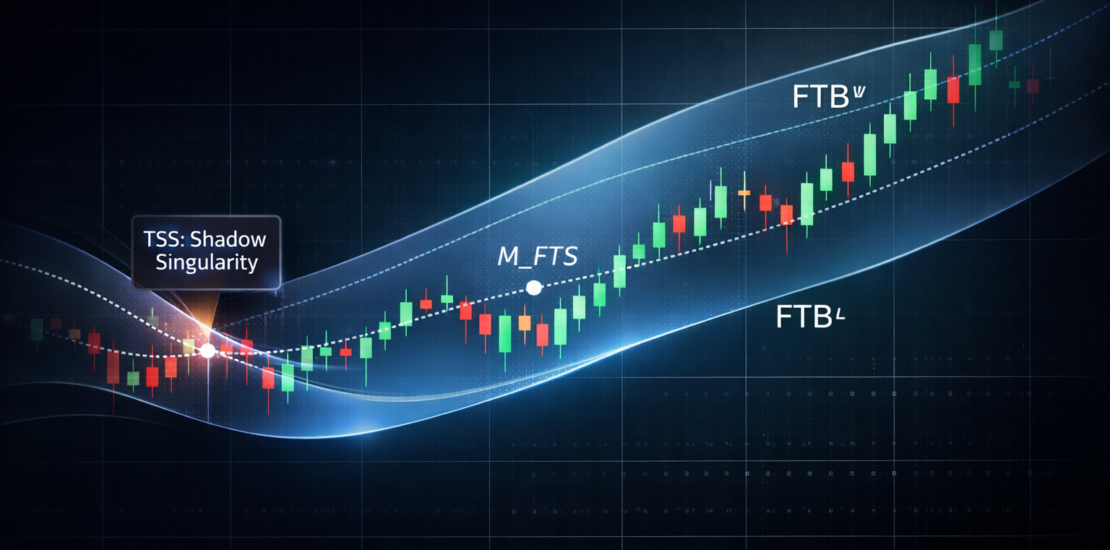
This article clarifies common misinterpretations of the Forward Transition Shadow, protecting the integrity of the GATS structural doctrine.
-
How FTS Changes Risk Posture, Not Just Entries
- January 9, 2026
- Posted by: DrGlenBrown2
- Category: Quantitative Trading Systems
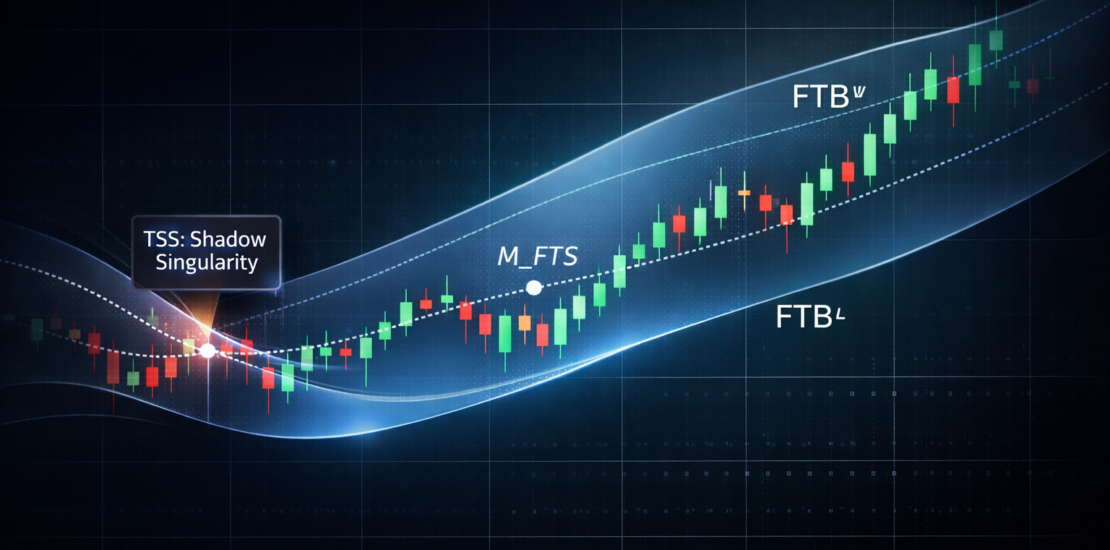
The Forward Transition Shadow regulates risk posture before entries, shifting exposure based on structural coherence rather than signals alone.
-
Forward Transition Shadow Across Timeframes
- January 6, 2026
- Posted by: DrGlenBrown2
- Category: Quantitative Trading Systems
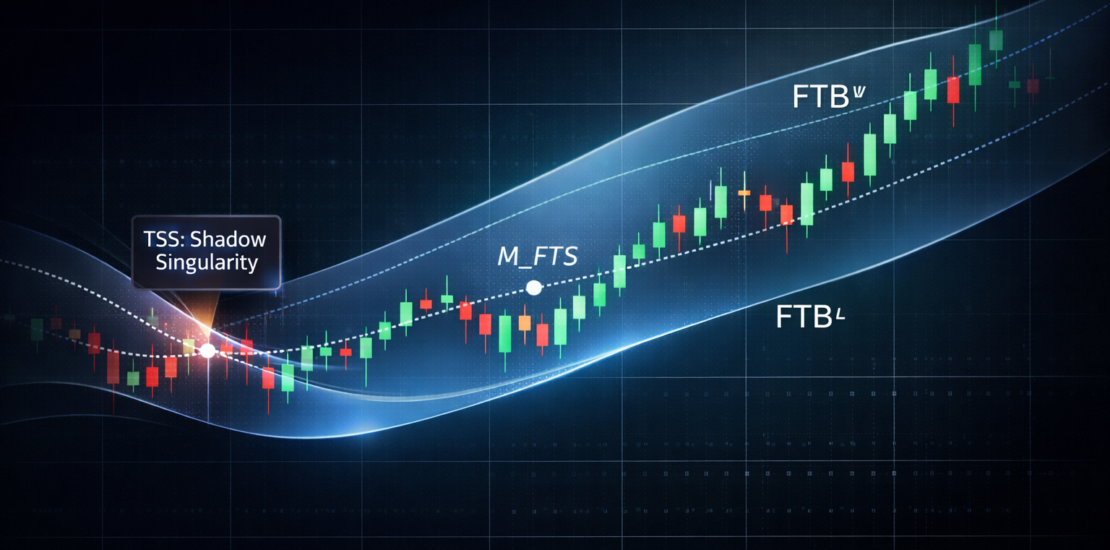
The Forward Transition Shadow reveals structural stability and stress across timeframes, ensuring lower-timeframe decisions respect higher-timeframe regimes.
-
Transition Shadow Singularity (TSS): Regime Stand-Down and Structural Reset
- January 5, 2026
- Posted by: DrGlenBrown2
- Category: Quantitative Trading Systems
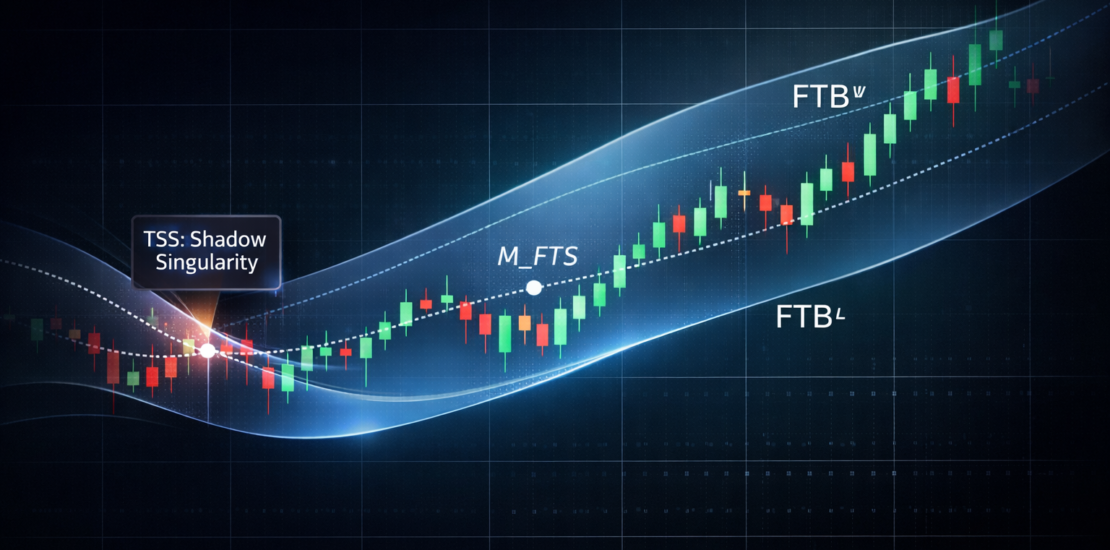
The Transition Shadow Singularity marks a collapse of structural memory, enforcing a stand-down period until a new regime coherently forms.
-
Shadow Width, Compression, and Structural Stress
- January 5, 2026
- Posted by: DrGlenBrown2
- Category: Quantitative Trading Systems
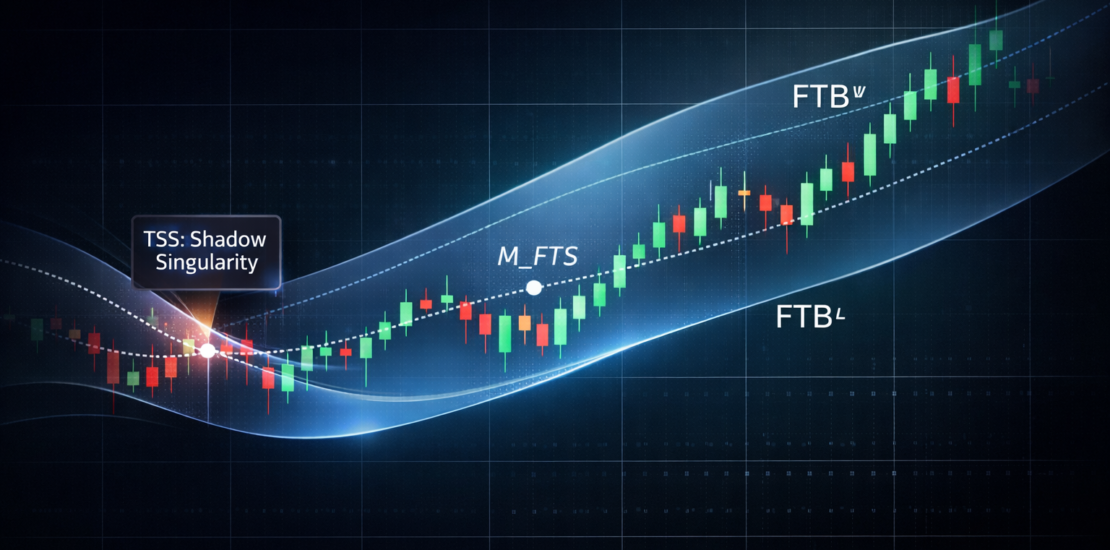
Shadow width within the Forward Transition Shadow exposes structural stress and compression, providing early warning of regime instability before price reversals.
-
The Forward Transition Shadow as a Negotiation Corridor
- January 5, 2026
- Posted by: DrGlenBrown2
- Category: Quantitative Trading Systems
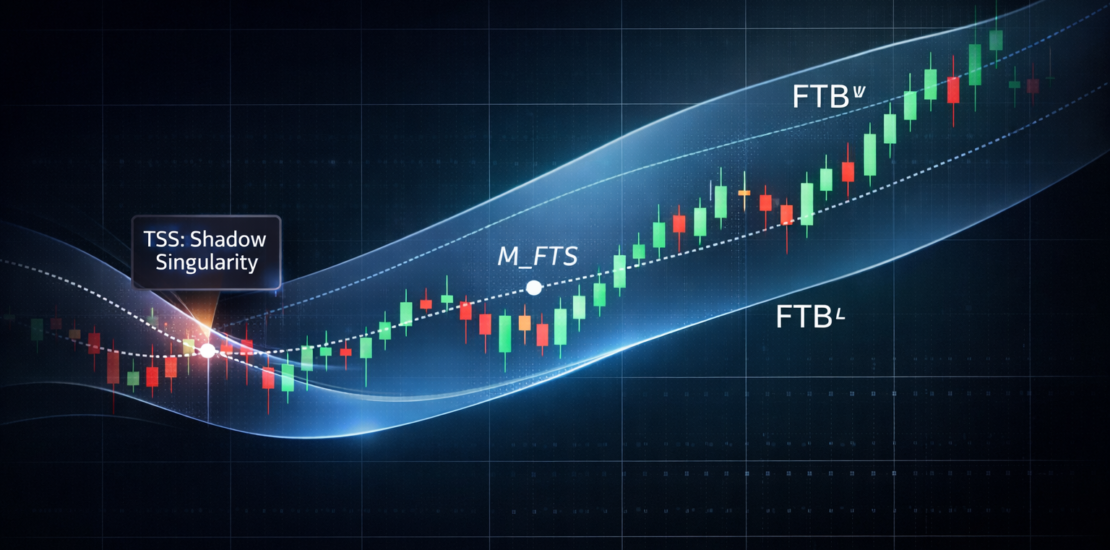
The Forward Transition Shadow reframes the Transition Zone as a negotiation corridor, allowing traders to classify dominance, pullbacks, and structural failure with clarity.
-
Understanding FTBᵁ and FTBᴸ as Forward-Staged Structure
- January 5, 2026
- Posted by: DrGlenBrown2
- Category: Quantitative Trading Systems
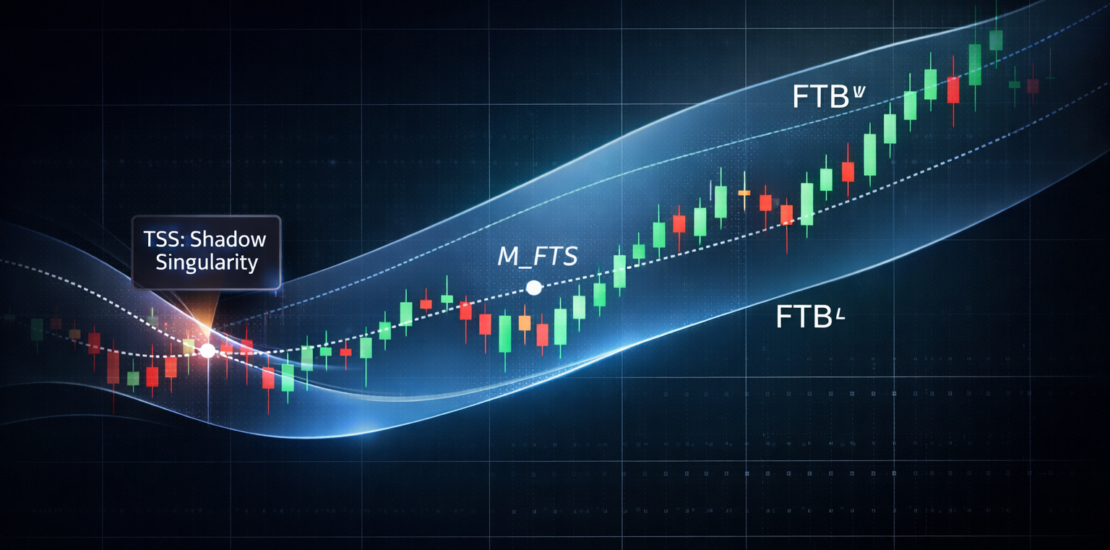
A new GATS structural doctrine that projects the Transition Zone forward into a “shadow band” to filter regimes, validate pullbacks, and enforce stand-down rules when structure collapses and inverts.
- 66 W Flagler Street, Suite 900-8535, Miami, FL 33130
- info@globalaccountancyinstitute.com
- +1 786-305-3315